

Choosing a healthcare course is only the first step. The quality of education depends largely on the institute where students learn, practice, and prepare for professional responsibilities. A strong Healthcare Education Institute does much more than conduct classroom lectures—it creates an environment where students gain confidence through practical experience.
Healthcare employers increasingly look for graduates who understand both theory and real clinical procedures. This makes practical education an essential part of career preparation.
Learning Beyond Textbooks
Medical science is constantly evolving, and students need more than theoretical knowledge to succeed.
Quality healthcare education includes:
- Laboratory demonstrations
- Clinical simulations
- Equipment handling
- Case-based discussions
- Practical assessments
- Hospital observations
These activities help students understand how healthcare functions in everyday practice.
Importance of Modern Laboratory Facilities
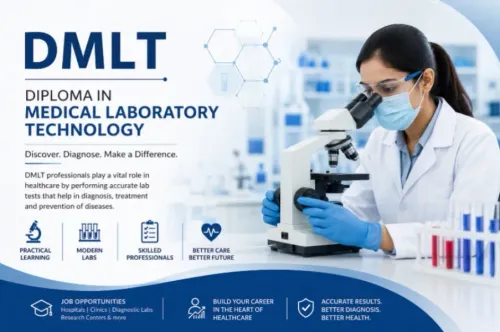
Healthcare students spend considerable time learning with laboratory instruments.
Well-equipped laboratories allow students to practice:
- Sample processing
- Microscopy
- Blood analysis
- Diagnostic procedures
- Laboratory safety
- Equipment calibration
Repeated practice improves technical skills and reduces hesitation during internships.
Faculty Experience Makes a Difference
Experienced faculty members bring practical insights that cannot always be found in textbooks.
They help students:
- Understand clinical situations
- Avoid common laboratory errors
- Improve analytical thinking
- Build professional discipline
- Develop ethical healthcare practices
Learning from experienced professionals often makes complex concepts easier to understand.
Clinical Exposure Builds Confidence
One of the biggest advantages of quality healthcare education is exposure to real healthcare environments.
Students become familiar with:
- Hospital workflows
- Patient documentation
- Medical terminology
- Clinical teamwork
- Diagnostic procedures
- Professional responsibilities
These experiences prepare students for employment after graduation.
Questions to Ask Before Choosing an Institute
Students should compare institutions carefully before making a decision.
Important questions include:
- Are practical classes conducted regularly?
- Does the curriculum include internships?
- Are laboratories equipped with modern instruments?
- Are faculty members experienced?
- Does the institute encourage skill development?
Looking at these aspects provides a clearer picture than relying only on advertisements.
Career Readiness Through Practical Learning
Healthcare careers demand accuracy and responsibility.
Practical education helps students develop:
- Decision-making abilities
- Observation skills
- Professional confidence
- Laboratory discipline
- Communication with healthcare teams
These qualities improve workplace performance from the beginning of a career.
Opportunities After Training
Graduates from healthcare education programs can work in:
- Hospitals
- Diagnostic laboratories
- Medical imaging centres
- Specialty clinics
- Blood banks
- Healthcare research facilities
As healthcare services continue expanding throughout Pune and Maharashtra, trained professionals remain essential to quality patient care.
Students exploring career-focused healthcare education often evaluate Vishwas Institute because of its emphasis on practical learning, laboratory experience, and internship-oriented training that supports professional development.
Selecting a healthcare education institute is an investment in future skills. The right learning environment helps students become capable healthcare professionals who are ready to contribute confidently from their very first job.