


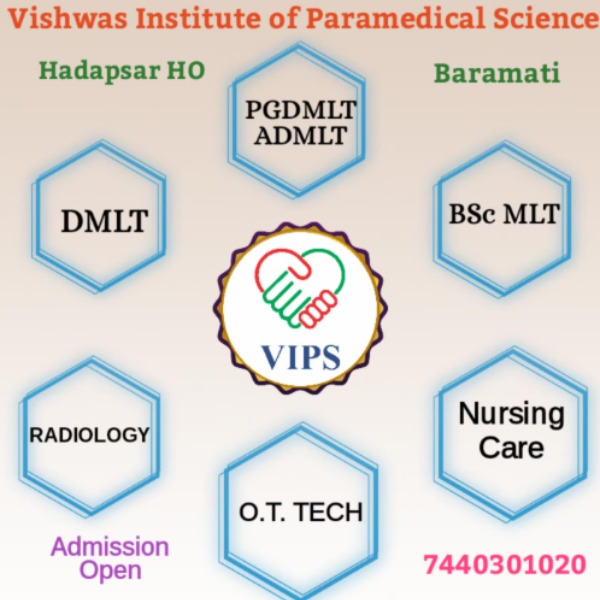
Healthcare is much more than doctors and nurses. Behind every successful treatment is a team of trained professionals who perform diagnostic tests, operate medical equipment, assist during procedures, and support patient care. This is where paramedical education plays an important role.
Joining a reputed Paramedical Institute gives students access to career-focused education that prepares them for various roles within the healthcare industry. Instead of focusing on a single profession, paramedical training offers pathways into several specialized fields.
What Is Paramedical Education?
Paramedical education focuses on developing technical and clinical skills required to support healthcare services. Students receive theoretical knowledge along with extensive practical exposure, allowing them to understand how hospitals and diagnostic centres function.
Programs may cover areas such as:
- Medical laboratory technology
- Radiology
- X-ray technology
- Emergency care
- Operation theatre assistance
- Dialysis technology
- ECG technology
- Patient care services
Each specialization contributes to better diagnosis, treatment, and recovery.
Why Students Are Choosing Paramedical Courses
Many students prefer paramedical education because it provides career-oriented learning with practical applications.
Some key benefits include:
- Industry-relevant curriculum
- Hands-on laboratory sessions
- Clinical exposure
- Internship opportunities
- Multiple specialization choices
- Faster entry into healthcare careers
For students in Pune, the availability of modern hospitals and diagnostic facilities also creates valuable internship and employment opportunities.
Learning Beyond the Classroom
Healthcare cannot be mastered through textbooks alone.
Students typically spend time learning:
- Patient handling techniques
- Clinical protocols
- Equipment operation
- Infection prevention
- Medical ethics
- Documentation standards
- Emergency response basics
These experiences help bridge the gap between education and professional practice.
Qualities That Make a Good Healthcare Professional
Successful healthcare workers often share common characteristics.
These include:
- Compassion
- Discipline
- Responsibility
- Scientific thinking
- Observation skills
- Teamwork
- Patience
- Commitment to continuous learning
A good institute encourages the development of these qualities alongside technical knowledge.
Employment Areas After Completing Paramedical Training
Graduates can explore careers across various healthcare environments.
Common workplaces include:
- Hospitals
- Diagnostic laboratories
- Imaging centres
- Blood banks
- Rehabilitation centres
- Specialty clinics
- Emergency healthcare facilities
- Community healthcare organisations
As healthcare infrastructure expands across Maharashtra, trained paramedical professionals continue to be in demand.
Questions to Ask Before Choosing an Institute
Selecting the right institute can influence your overall learning experience.
Consider asking:
- Are laboratories well equipped?
- Is practical training included?
- Are internships part of the curriculum?
- Do faculty members have industry experience?
- Does the curriculum match current healthcare standards?
- Are students encouraged to develop professional skills?
Looking beyond brochures helps students make informed decisions.
Why Practical Exposure Matters
Students who regularly work with medical equipment develop confidence before entering the workforce.
Practical training allows learners to:
- Understand real clinical procedures
- Improve technical accuracy
- Build professional confidence
- Develop communication skills
- Learn workplace discipline
- Adapt to hospital environments
This experience often makes the transition from student to healthcare professional much smoother.
Building a Long-Term Healthcare Career
Many students begin with certificate or diploma programs and later continue their education through advanced healthcare qualifications.
Professional growth may include:
- Specialized technical certifications
- Degree programs
- Healthcare administration
- Quality management
- Clinical supervision
- Laboratory management
Continuous skill development remains an important part of every successful healthcare career.
Students looking for structured healthcare education in Pune often evaluate institutions such as Vishwas Institute because of their emphasis on practical learning, industry exposure, and career-oriented training.
Choosing a paramedical institute is not simply about selecting a course. It is about building the knowledge, confidence, and practical abilities needed to contribute meaningfully to modern healthcare while creating long-term professional opportunities.


