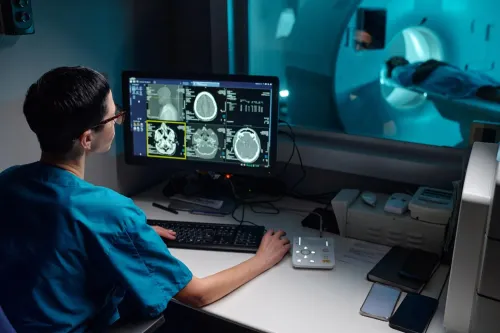


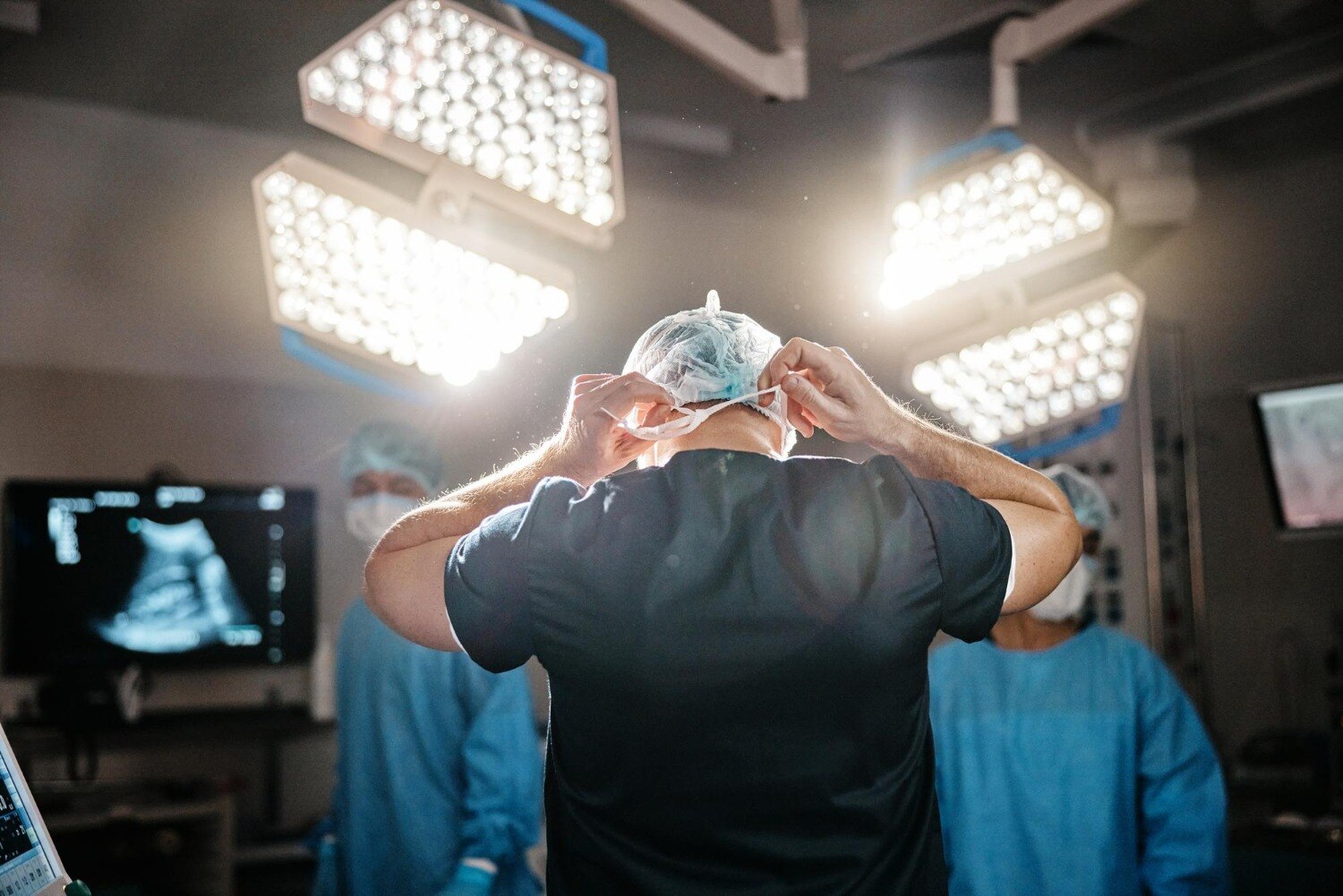
Choosing between operation-theatre training, laboratory work, radiology, ECG, nursing care and advanced diagnostics depends on the work you want to perform, not on the word “paramedical” in a course advertisement. By comparing entry requirements, practical exposure, equipment, patient contact, recognition and progression routes, you can identify which qualification matches your career plan and which claims require verification.
Key takeaways
- Choose OT training for operating-theatre work, not independent diagnosis or surgery.
- Compare syllabus hours, supervised procedures, assessments and hospital exposure before enrolling.
- Request affiliation proof, approval documents, placement records and employer names in writing.
- Match the course to your preferred workplace, patient contact and progression route.
How OT training compares with other paramedical routes
An OT technician course in Pune compared with paramedical courses in Pune is defined by its workplace: the operating theatre. You train around sterile fields, surgical instruments, anaesthesia-related equipment, patient transfer, positioning and emergency readiness, rather than one diagnostic test or bedside care.
| Route | Main work | Equipment and patient contact |
|---|---|---|
| OT technician | Prepares theatre, checks instruments and consumables, supports sterile practice, counts items, assists transfer, handles specimens and cleans after procedures | Surgical tables, instrument sets, suction and anaesthesia support equipment; close contact during procedures |
| ECG technician | Records cardiac electrical activity and places electrodes accurately | ECG machines; brief, non-surgical patient contact |
| Radiology | Produces X-rays or other images while applying positioning and radiation-safety controls | Imaging systems and radiation protection; contact during scans |
| Pathology | Supports disease diagnosis through tissue, blood and other specimen examination | Specimens, microscopes and processing systems; limited bedside contact |
| DMLT | Collects, labels, processes and tests clinical samples in routine laboratories | Centrifuges, analysers and microscopes; specimen-focused work |
| Nursing care | Provides bedside observation, hygiene, medication support and basic patient care under nursing supervision | Beds, monitoring devices and care supplies; sustained patient contact |
| Advanced laboratory training | Builds deeper skills in automated, molecular, microbiology or specialised testing | High-throughput analysers and molecular platforms; mainly laboratory-based |
Choose OT if you prefer fast, team-based surgical work over repetitive testing or continuous bedside care. Before enrolling, verify the awarding body, course level and employer acceptance; “government-oriented” does not prove government recognition. Prioritise supervised hospital placement, a named operation theatre, competency logbook and assessed infection-control practice.
What an OT technician does—and where the role ends
An OT technician prepares the operating room and supports safe surgical workflow; they do not diagnose, prescribe, operate, administer anaesthesia independently or practise as a registered nurse. An OT technician course in Pune should therefore train you for controlled theatre assistance, not imply a doctor-level role.
During a procedure, the technician may:
- Check the table, lights, suction, cautery, monitors, instruments, implants and consumables before the patient arrives.
- Help transfer and position the patient under the team’s direction.
- Protect the sterile field and pass instruments or supplies according to protocol.
- Assist with swab, needle and instrument counts before closure and at the end.
- Label, secure and send specimens using the hospital’s identification procedure.
- Support decontamination, waste segregation, room cleaning, restocking and turnover documentation.
| Role | Responsibility | Boundary |
|---|---|---|
| Surgeon | Diagnoses, operates and directs surgical decisions | Does not transfer operative authority to the technician |
| Anaesthesia professional | Assesses the patient and gives anaesthesia; manages airway and vital responses | Technician may prepare equipment but must not administer anaesthesia |
| Registered nurse | Provides nursing assessment, medication administration and patient care | Technician assists theatre workflow, not independent nursing care |
| ECG technician | Records and supports electrocardiographic testing | Not an OT function |
| Radiology technologist | Performs imaging and radiation-safety procedures | Does not replace theatre support |
| Laboratory technician | Processes and tests specimens | OT technician handles collection and dispatch, not laboratory analysis |
What the course teaches and how practical training is assessed
A credible OT technician course in Pune should publish its entry rule, awarding body and practical requirements before enrolment. Expect eligibility of 10+2, often with Science subjects, for diploma-level study; certificate programmes may set different rules. Confirm the exact qualification, duration and accepted subjects in writing.
The syllabus should connect each topic to a safety-critical task:
- Anatomy, physiology and surgical terminology
- Aseptic technique, infection prevention and biomedical waste segregation
- Surgical instruments, counts, consumables and specimen labelling
- Sterilisation workflows, autoclave indicators and operating-room documentation
- Patient transfer, positioning, basic life support and emergency response
Equipment practice must happen under instruction, not through classroom demonstrations alone. You should handle instrument sets, operating tables, surgical lights, suction apparatus, electrosurgical units, patient monitors, pulse oximeters and sterilisation equipment. Anaesthesia machines require supervised familiarisation; an OT technician does not independently administer anaesthesia.
The strongest evidence is a named, functioning hospital placement with direct supervision. Ask for a clinical logbook recording competencies such as theatre preparation, sterile gowning, surgical counts, equipment checks, specimen handover, post-procedure cleaning and safe patient transfer. A credible assessment combines written exams with observed demonstrations, viva questions, logbook reviews and supervisor sign-offs.
Reject programmes that count attendance as clinical training or offer only an unverified “hospital exposure” certificate. Breaks in sterility, incorrect counts or poor labelling can harm patients, so practical assessment must test the action itself.
How to verify recognition, affiliation and placement claims
Do not accept “recognised” as proof until you identify who awards the qualification and where that award is valid. A certificate from a paramedical institute in Pune is useful only if its awarding university, board, skill council or statutory body matches the employer’s requirements.
1. Ask for the affiliation letter naming the exact OT programme, Pune centre, course duration and approval period. Check the issuing body’s official website or office, and confirm that the institute is authorised for this particular course. Registration for one programme does not validate every course at the centre.
2. Read the recruitment notification for your target hospital or government post. Match its requirements for course title, awarding body, duration, technical subjects, registration and experience; “government-oriented” and “job-oriented medical courses in Pune” are not recognition categories.
3. Request placement data for a named graduating batch. Check the student count, job title, employer, salary basis and whether each outcome is paid employment or an unpaid internship. A hospital tie-up or internship letter alone does not prove that every student gets a job.
4. Inspect evidence of clinical training: a named functioning operation theatre, attendance records, procedure or competency logbook, supervisor names and assessments covering sterile technique, instrument handling, surgical counts, specimen handling and documentation. Classroom hours cannot replace supervised cases.
5. Compare the advertised certificate with the written offer letter. Confirm entry qualification, examination system, practical-hour requirement and whether employers accept that exact award. Ask these questions directly at Vishwas Institute| Best Paramedical Institute, then verify every answer independently before paying fees.
Related products
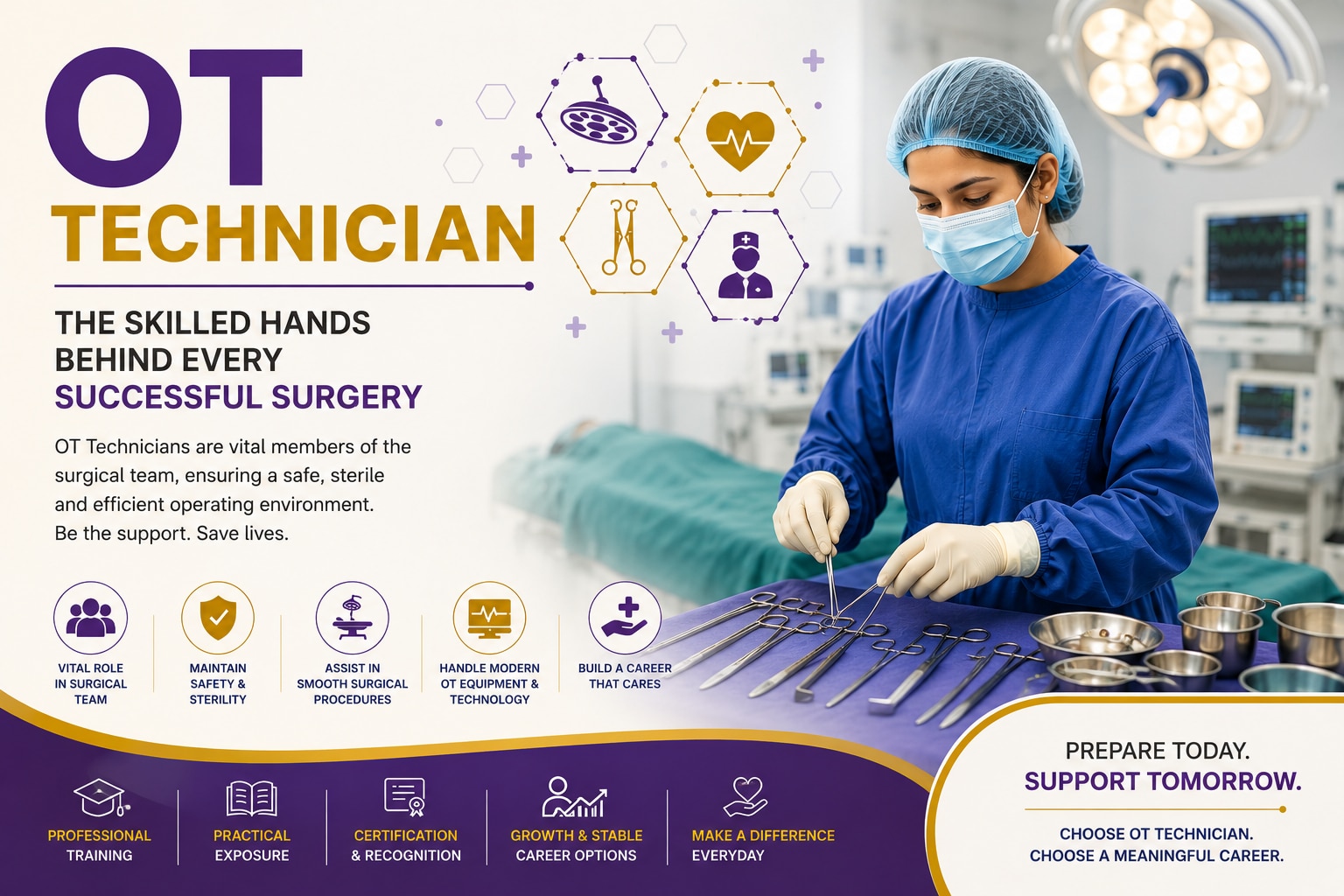 | Paramedical Certificate Course Vishwas Institute of Paramedical Science OT Technician Course in Pune The Operation Theatre (OT) Technician Course at Vishwas Institute of Paramedical Science, Pune, is a job-oriented paramedical program designed to... |
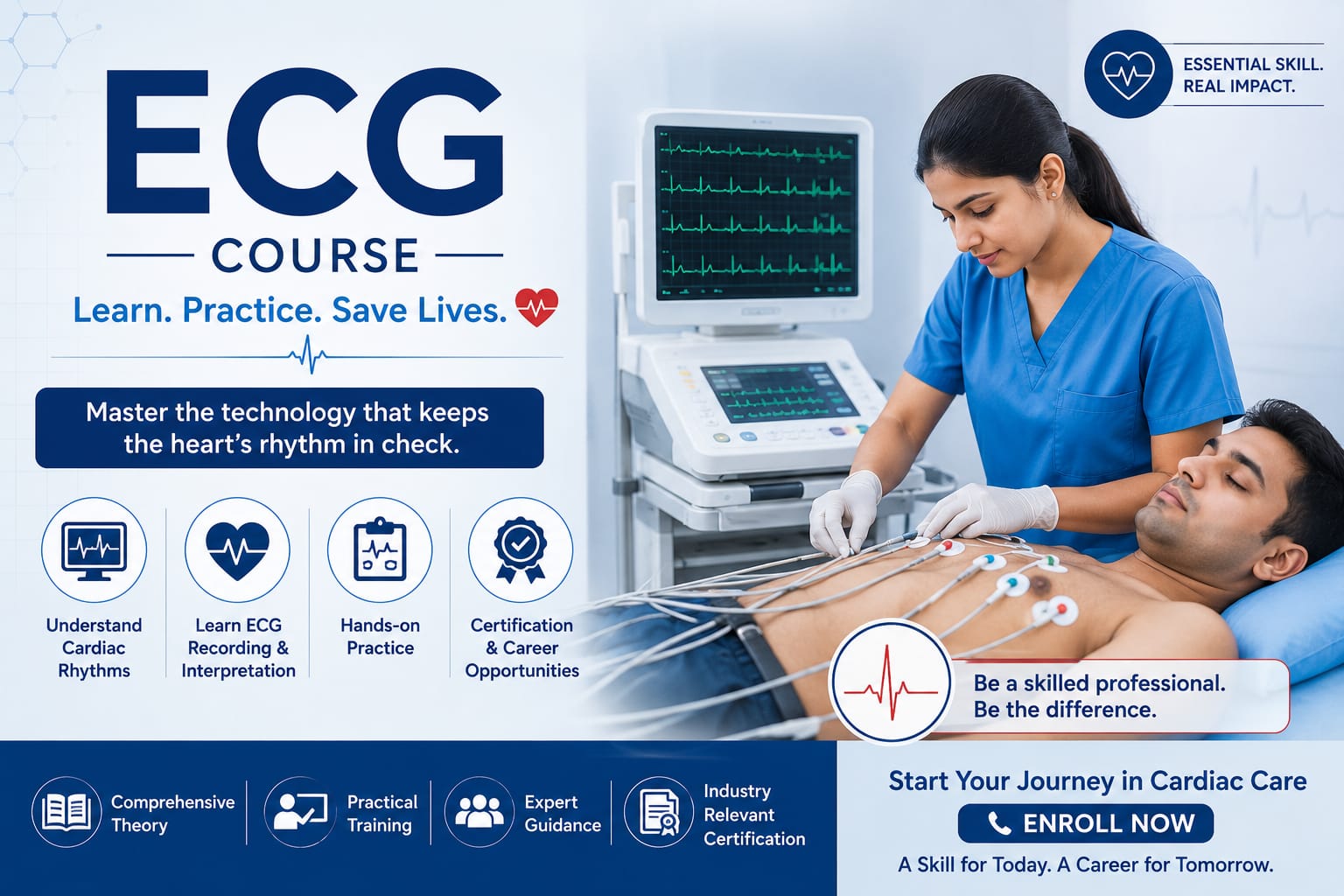 | Paramedical Course / ECG Technician Training ECG Technician Course – Vishwas Institute of Paramedical Science ECG Technician Course at Vishwas Institute of Paramedical Science (VIPS), Pune is a professional certificate program designed for students who wish... |
Which course matches your preferred work and progression route?
Choose OT if you want close involvement with procedures, strict infection-control routines and fast decisions during scheduled or emergency surgery. Choose another route if you prefer testing, imaging or continuous bedside care.
| Route | Patient contact and working conditions | Equipment and shifts | Progression |
|---|---|---|---|
| OT technician | Frequent contact during transfer, positioning and recovery; sterile, high-pressure theatre | Instruments, steriliser, suction and anaesthesia-related equipment; early, late and emergency shifts | Senior theatre or specialised surgical roles; verify higher-course eligibility |
| ECG | Short, focused contact with stable or urgent cardiac patients | ECG and monitoring equipment; hospital and diagnostic-centre shifts | Cardiac diagnostics and advanced cardiac training |
| Radiology | Positioning patients for imaging; controlled, safety-focused rooms | X-ray, CT or MRI systems; rostered shifts | Advanced imaging courses, subject to eligibility |
| Pathology or DMLT | Little bedside contact; specimen handling and laboratory routines | Microscopes, analysers and centrifuges; scheduled or shift work | Degree-level or specialised laboratory study |
| Nursing care | Continuous bedside contact, personal care and observation | Monitors, medication systems and ward equipment; rotating shifts | Higher nursing qualifications and clinical specialisation |
| Advanced laboratory | Minimal patient contact; analytical and quality-control work | Automated analysers and molecular-testing systems; laboratory shifts | Specialist laboratory or research study |
Before enrolling in job-oriented medical courses in Pune, compare the named awarding body, qualification level and actual employer acceptance. An NSQF or Healthcare Sector Skill Council certificate is not automatically a university diploma or bachelor’s degree.
Ask for a named hospital placement, supervised logbook and assessed equipment practice. For a public-sector target, match the course against the recruitment notification’s required award, duration, registration and experience; “government-oriented” alone proves nothing.
Frequently asked questions
How does an OT technician course in Pune compare with other paramedical routes?
OT training focuses on operating theatres, sterile fields, surgical instruments, patient positioning, transfer, anaesthesia-related equipment and emergency readiness. Other routes focus on areas such as laboratory testing, diagnostic imaging, nursing care or cardiac diagnostics.
What does an OT technician do, and where does the role end?
An OT technician prepares the theatre, instruments and equipment, supports sterile procedures, helps position and transfer patients, and assists the surgical team. The technician does not independently diagnose patients, perform surgery or replace a registered nurse, anaesthetist or doctor.
How can you assess the practical quality of an OT technician course?
Check whether the course teaches instrument identification, sterilisation, aseptic technique, theatre preparation, patient positioning, equipment checks and emergency procedures. Ask how practical work is observed, documented and assessed in a functioning hospital theatre.
How do you verify recognition, affiliation and placement claims?
Request the institute’s current affiliation or approval letter, the awarding body’s exact name, the course recognition scope and the certificate format. Ask for written placement records showing employer names, job titles, joining dates and the number of placed graduates.
Which paramedical course matches your preferred work and progression route?
Choose OT training if you want theatre-based teamwork and procedure preparation. Compare laboratory, imaging, nursing, cardiac and public-health routes when you prefer testing, scans, bedside care, cardiac monitoring or community health work.
Related products
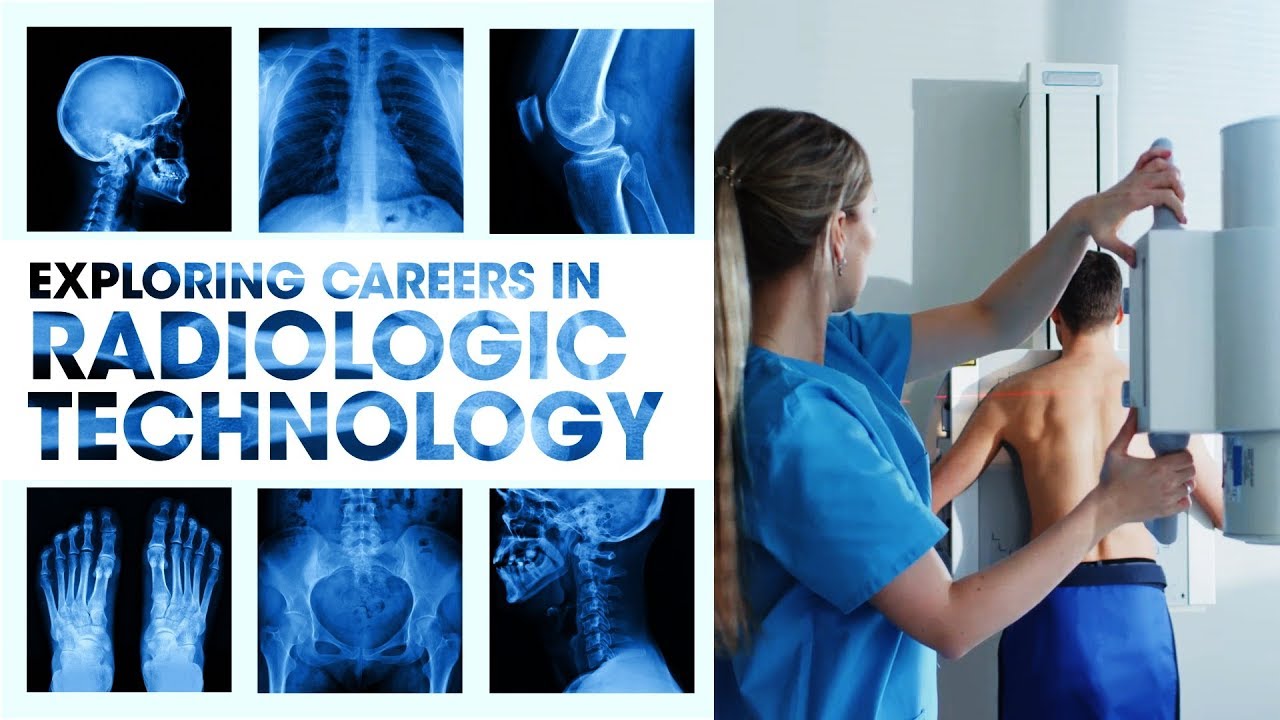 | Paramedical Courses / Radiology Technology Radiology Technician Diploma (X-Ray & CT Scan Technology) Radiology Technician Diploma (X-Ray & CT Scan Technology) Build a rewarding career in medical imaging with the Radiology Technician Diploma at... |
 | Best Paramedical College Certificate course in Pathology Technician With increasing awareness about healthcare, people have been actively participating in things that contribute to their health and wellbeing. |
 | Paramedical Degree Course / Radiology & Imaging Technology Vishwas Institute B.Sc. RIT Course in Pune · Radiology & Imaging Technology Bachelor of Science in Radiology & Imaging Technology (B.Sc. RIT) at Vishwas Institute of Paramedical Science is a professional undergraduate program... |
 | Certificate course Certificate Courses (After 10th Pass), (Duration: 1 year) To create skill nursing care assistant. View product → |